

Strong Ranger Resilience Project - Kenya
Working to improve Game Rangers Mental Health and promoting Post Traumatic Growth
Supporting Conservation and Anti Poaching operations
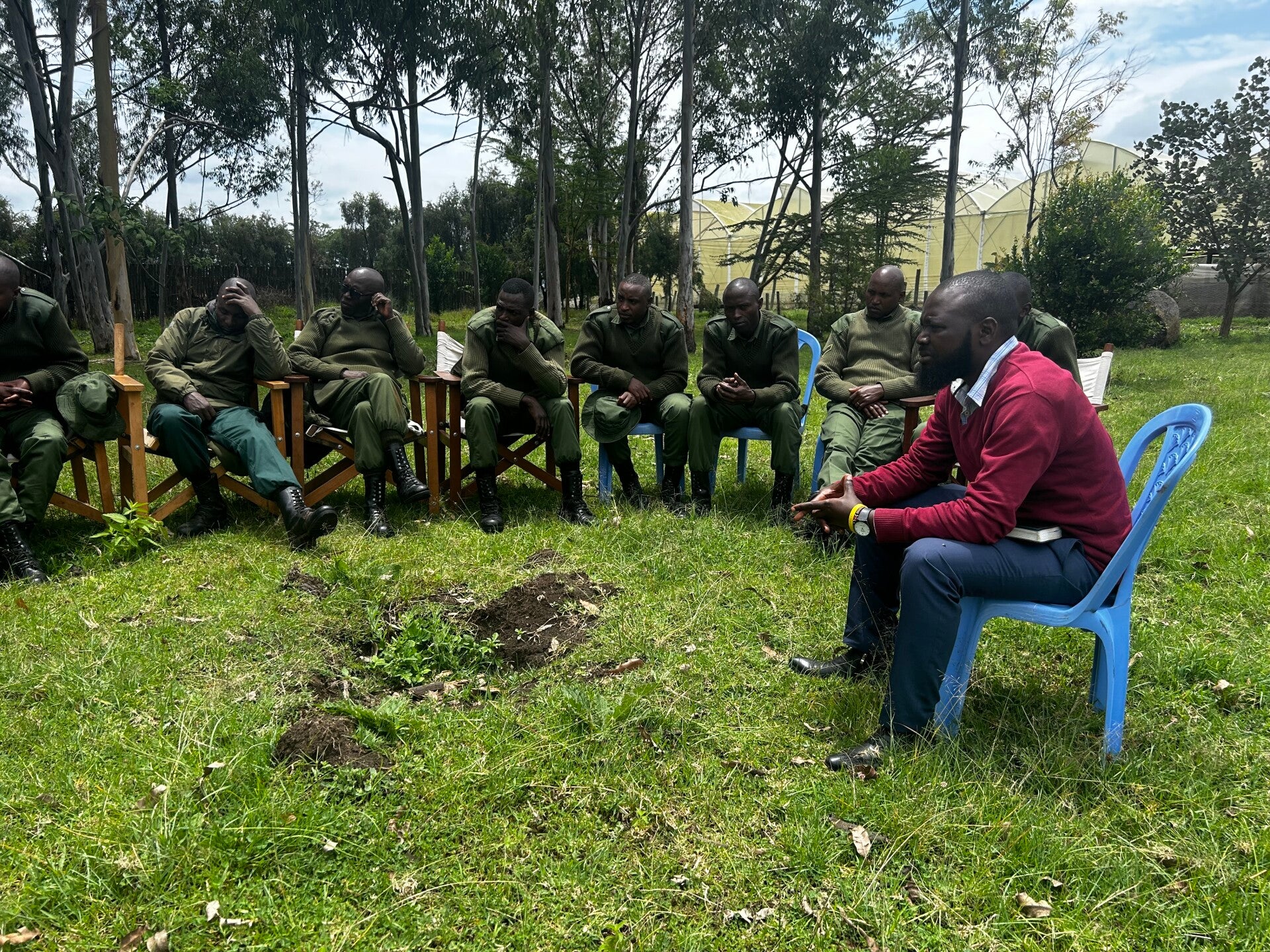
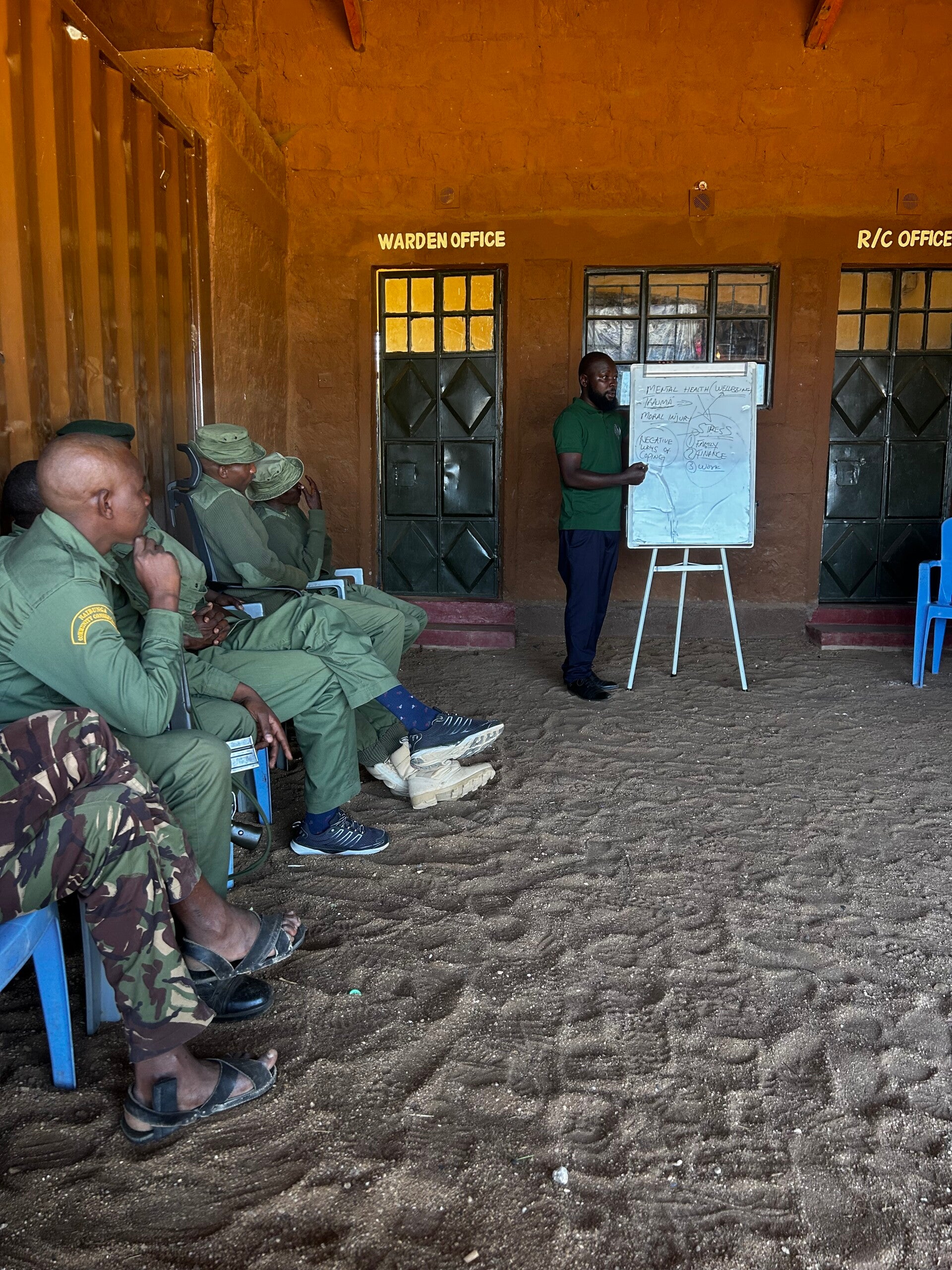
Addressing the Occupational Health and Safety Challenges of Wildlife Rangers: We Focus on Trauma Management. Wildlife rangers face numerous challenges in the course of their duties, often working in isolated, high-risk environments where the threat of physical harm, environmental hazards, and psychological trauma is ever-present. From an occupational health and safety perspective, one of the most significant challenges wildlife rangers encounter is the trauma associated with their work. Traumatic events, such as witnessing the aftermath of poaching, encountering human-wildlife conflict, or responding to natural disasters, are unfortunately common. These experiences can have long-term psychological effects, leading to stress, burnout, or even post-traumatic stress disorder (PTSD). Addressing these issues is not only critical for the well-being of the rangers but also for the effectiveness of wildlife conservation efforts. A mentally and emotionally healthy workforce is better equipped to carry out their demanding tasks and to make sound decisions in the field. Trauma is often an invisible hazard that can go unaddressed, yet it can deeply affect the mental and emotional health of rangers. These individuals are regularly exposed to distressing scenes—such as poaching activities, the suffering of wildlife, or even fatalities—which can significantly impact their mental health. However, these challenges often go unnoticed or are minimized in the context of their physical safety training. To address this, a comprehensive trauma management system is essential. Our system includes both preventative and responsive strategies to help rangers cope with the psychological and emotional toll of their work.
Unique approach
Within the Strong Ranger Resilience project, we believe that care is not an act of control but a sacred relationship , a bridge that connects people, land, and purpose.
Guided by Indigenous models of stewardship and community wellbeing, we champion a culture of reciprocity, respect, and shared responsibility. True resilience, as we’ve learned, grows not from ownership, but from listening to each other, to the environment, and to the wisdom that reminds us we are all connected.
Embedded Wellbeing
Sustaining wellness upskilling among rangers in Africa is vital for enhancing their resilience, safety, and effectiveness in conservation work.
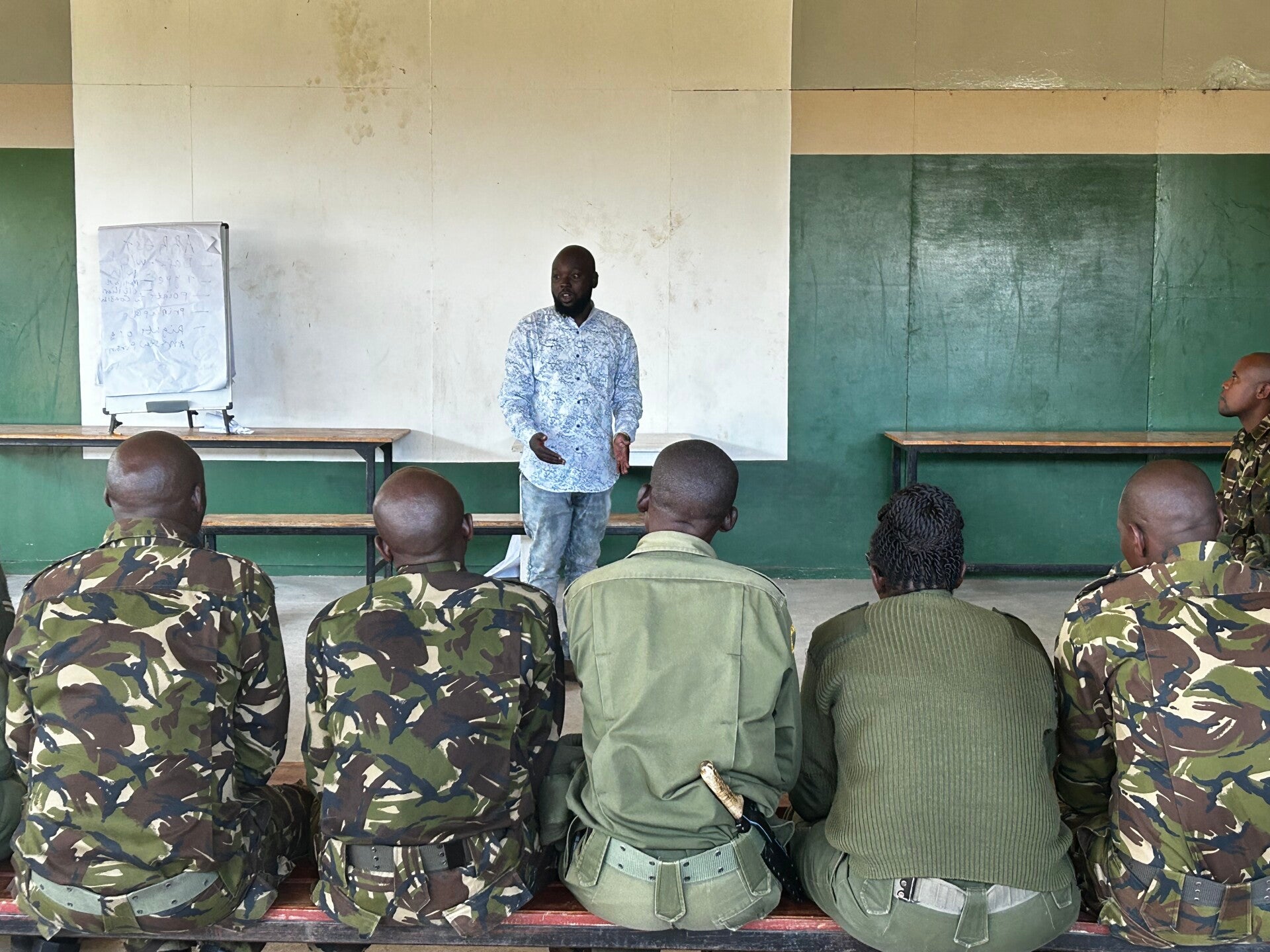
Through targeted training programs and mentorship initiatives, rangers gain critical skills such as leadership, first responder techniques, mental health awareness, and specialised operational competencies.
These programs emphasise locally relevant, context-driven knowledge and foster camaraderie across conservancies, creating a supportive community that strengthens ranger wellbeing.
By investing in continuous professional development, Strong Ranger Resilience contributes to improved morale, safety, and capacity among rangers, ultimately benefiting wildlife protection, ecosystems, and surrounding communities across Africa.
This focus on holistic wellness and skill development equips rangers to meet the complex challenges of their job with greater confidence and sustainability